


CANTERBURY-BANKSTOWN, Australia, Feb. 14, 2026 /PRNewswire/ — Introduction
In 2025, Australia’s home battery storage sector has seen explosive growth. Since July, the federal Cheaper Home Batteries Program has driven the installation of around 100,000 household battery systems, delivering over 2 GWh of storage capacity in under four months. This surge has been fueled by a government-backed discount of around 30% on upfront costs and strong consumer demand. Meanwhile, data from the Clean Energy Regulator shows that validated installations through August 2025 have already reached 43,517 units, amounting to approximately 825 MWh of capacity.

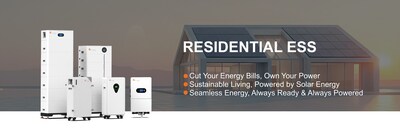
As one of the promising renewable energy markets in the world, Australia continues to lead in residential solar adoption. Felicitysolar has long followed the development of Australia’s solar and battery storage market, closely tracking regulatory standards, certification requirements, and evolving installer needs. The current wave of growth marks a new phase of opportunity for local distributors and installation partners, as residential energy storage becomes increasingly mainstream across the country.
Key Factors Installers and Distributors Consider
Installers and distributors are the crucial link between products and the end market. Based on Felicitysolar’s long-term cooperation with partners across different regions, it has been observed that when selecting a solar energy storage brand, installers and distributors typically evaluate several key factors that directly impact system reliability, long-term cooperation, and sustainable business growth.
Beyond product performance itself, considerations such as certification compliance, local technical support, supply stability, and after-sales responsiveness often play a decisive role in supplier selection. As the Australian market enters a new stage of rapid battery adoption, these factors are becoming increasingly critical for partners seeking stable and scalable growth.
1. Profitability
Products should be reasonably priced, allowing distributors and installers sufficient margin to maintain healthy business operations.
2. Product Reliability
Systems must deliver consistent performance with low failure rates and demonstrate the ability to adapt to local conditions, including harsh environments. In addition to reliability, certification compliance is a critical consideration in the Australian market.
Felicitysolar’s inverters and lithium battery packs are certified in accordance with relevant Australian requirements. The LUX-X-48100LG01-US lithium battery is listed on the CEC approved battery list, while the T-REX-10KLP3G01 hybrid inverter has passed the AS4777-2:2020 standard, meeting local grid connection compliance requirements for solar inverters in Australia.
3. R&D Capabilities and Long-Term Innovation
Strong research and development capabilities are often a decisive factor. Installers and distributors need confidence that the products they represent are not only reliable today, but also continuously evolving to meet future market demands.
To strengthen this foundation, Felicitysolar has launched a new PV and energy storage R&D and manufacturing base. This new base is not simply an expansion of manufacturing capacity, but a forward-looking investment designed to reinforce R&D capabilities, accelerate product upgrades and innovation, and enhance overall product consistency and quality control.
For partners, this means access to more stable supply, improved system compatibility, faster technology iteration, and solar energy solutions that are increasingly aligned with real-world installation needs.
4. After-Sales Support and Service Commitment
Beyond product performance, long-term cooperation depends heavily on service reliability. Comprehensive technical training, installation guidance, and responsive after-sales support are critical for ensuring smooth project delivery and maintaining end-customer satisfaction.
Recognizing this, Felicitysolar has placed greater emphasis on service alongside product development. As the company steps into 2026, it has officially designated the year as its “Year of Service.” This initiative focuses on:
- Faster and more efficient delivery
- Strengthened pre- and post-sales support
- Ongoing technical assistance
- Marketing guidance for local partners
For installers and distributors, this service-oriented strategy helps reduce operational pressure, improve project efficiency, and build stronger long-term trust with customers in their local markets.
These factors guide distributors and installers in evaluating different brands, complementing considerations such as system type (off-grid, hybrid, all-in-one), output configuration, and applications. Felicitysolar’s solutions are designed to meet these requirements, offering reliable performance, competitive pricing, and strong local support networks.
Conclusion
Solar energy storage systems are becoming increasingly common in residential and commercial projects. Providers offer a range of solutions, including off-grid, hybrid, all-in-one, and battery-focused systems. Key factors such as product reliability, service and support networks, supported output configurations, and typical applications differ between brands.
By carefully considering these aspects, installers and distributors can select the most suitable solutions for their customers, ensuring compatibility with local grid conditions, meeting performance expectations, and providing peace of mind through reliable after-sales support.
Contact:
[email protected]
https://www.felicitysolar.com.au
 View original content to download multimedia:https://www.prnewswire.com/apac/news-releases/felicitysolar-insights-on-how-australian-installers-evaluate-home-energy-storage-suppliers-302688205.html
SOURCE Guangzhou Felicity Solar Technology Co., Ltd.


