

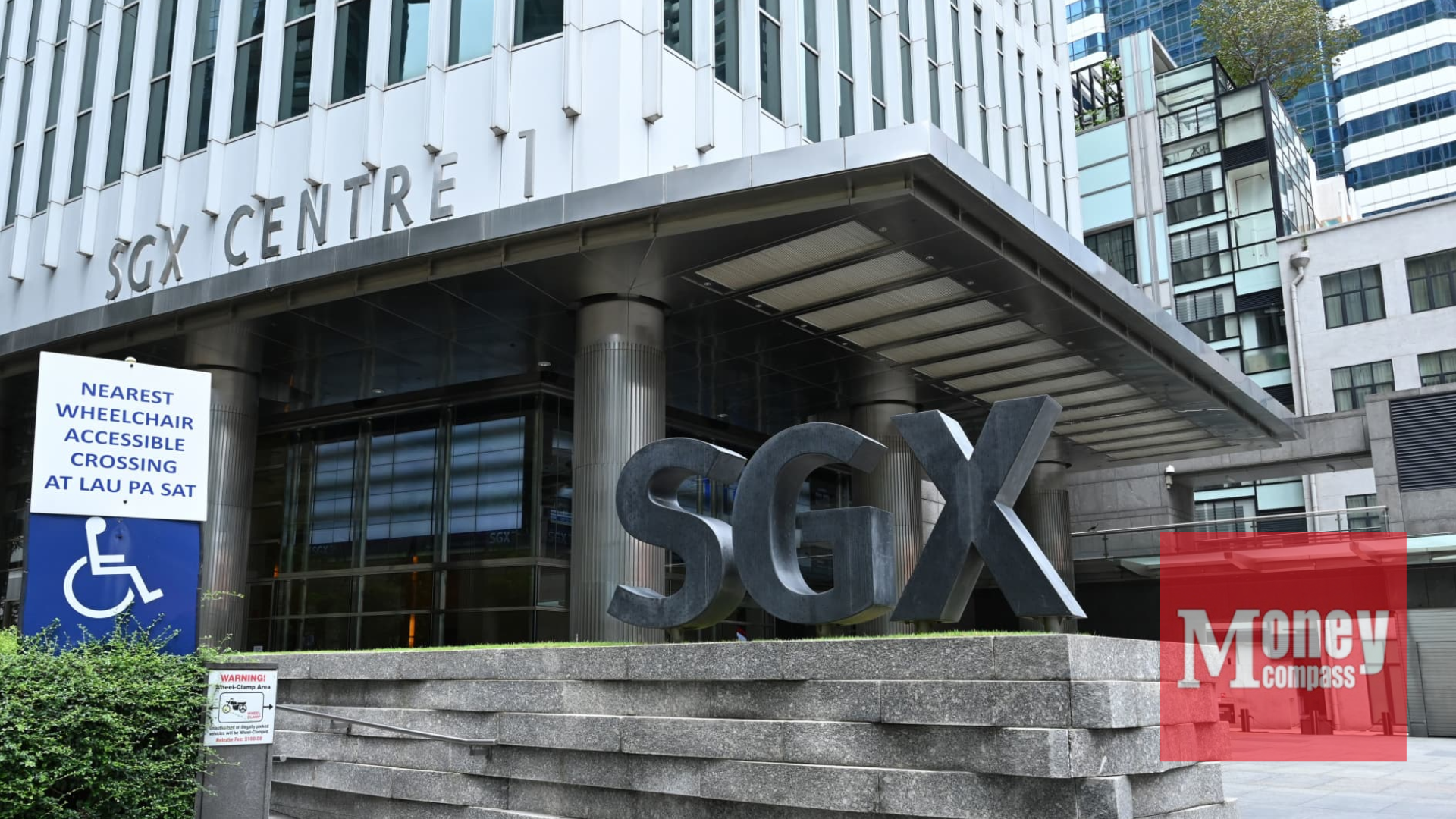
Kuala Lumpur — Asian stock markets opened broadly lower today as persistently high US Treasury yields, elevated oil prices, and concerns over inflation and the interest-rate outlook intensified selling pressure across the region. Singapore’s Straits Times Index plunged 3.13%, recording the steepest decline among major Asian markets.
As of 12:30 p.m. Malaysian time, several major Asian markets were trading lower. Hong Kong’s Hang Seng Index and South Korea’s KOSPI both fell by more than 2%, while Japan and the Philippines also recorded losses of over 1%. Malaysia’s stock market was similarly affected.


Malaysia’s KLCI Briefly Breaks Below 1,600 Points
In Malaysia, the FTSE Bursa Malaysia KLCI extended yesterday’s losses, briefly falling below the psychologically important 1,600-point level. The index touched an intraday low of 1,597.94 points, reflecting continued selling pressure.
At the midday break, the KLCI stood at 1,600.70 points, down 11.08 points or 0.69%. This marked its lowest level since September 26, 2026.
Broad-based weakness was also evident in the number of declining and advancing stocks.
During the reported period, 758 stocks declined, while only 312 advanced. The number of losing stocks was more than double that of gainers, highlighting the widespread selling pressure across the Malaysian market.
US Treasury Yields, Oil Prices and Inflation Concerns in Focus
Across regional markets, persistently high US Treasury yields, elevated international oil prices, and uncertainty over inflation and the future direction of interest rates remained key concerns for investors.
When markets expect interest rates to stay high, investors may reassess the attractiveness of riskier assets such as equities. Meanwhile, sustained high oil prices could increase corporate operating costs and add to inflationary pressures, further weighing on market sentiment.
However, losses varied across Asian markets, suggesting that individual markets may be affected differently by these broader economic concerns.
Going forward, investors will continue to monitor US Treasury yields, oil price movements, and developments in inflation and interest-rate expectations.
For Malaysia, key short-term indicators include whether the KLCI can regain a firm footing above 1,600 points and whether the number of declining stocks begins to narrow.

