


Hong Kong Opening Marks the Brand’s First Expansion Beyond Mainland China
HONG KONG, Oct. 16, 2026 /PRNewswire/ — Banu Hotpot, China’s leading premium hotpot brand, announced plans for its first Hong Kong restaurant at a press conference held at The Park Lane Hong Kong in Causeway Bay on 13 October. Set to open at Hysan Place in mid-November, the new restaurant will mark the first step in Banu’s international expansion after 25 years of development in mainland China. The company also outlined its plans for the Hong Kong market.


The press conference was attended by Banu founder Du Zhongbing; Ng Hung-to, executive president of the Hong Kong Mainland F&B Connection Association; and renowned chef Ronald Shao (Shao Delong), who appeared on the culinary competition programme Chef of China (《一飯封神》). Restaurant industry representatives, business partners, customer representatives and journalists from Hong Kong and mainland China also attended.
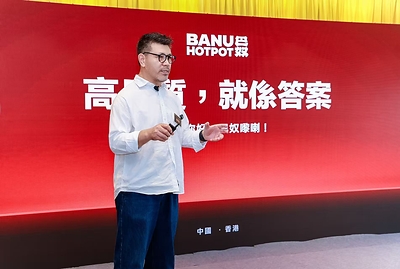
Speaking under the theme “High Quality Is the Answer”, Banu founder Du Zhongbing reviewed the brand’s development over the past 25 years and explained why it had chosen Hong Kong as the first step in its international expansion.
“If Banu can establish a firm foothold in Hong Kong, it will show that we have what it takes to expand internationally,” Du said. He described Hong Kong as both an international culinary capital and an important gateway for Chinese brands seeking to enter global markets. Its mature and highly competitive dining sector, he added, would serve as a test of Banu’s approach to premium hotpot dining.
Reflecting on the brand’s history, Du recalled that he founded Banu 25 years ago with a simple goal: to make hotpot that his wife and family could enjoy with confidence. Since then, Banu has remained committed to its product-centric philosophy, drawing on the rich variety of ingredients found across China’s 9.6 million square kilometres. The brand has continued to source quality ingredients, develop original products and refine its signature dishes. Beef tripe is a signature ingredient in Sichuan and Chongqing-style hotpot, and Banu Classic Beef Tripe is one of the brand’s flagship offerings. High in protein and low in fat, beef tripe contains minerals including iron, zinc and selenium, and has a higher overall nutritional value than beef. The brand uses a papain-based tenderisation technique to give its beef tripe a tender yet crisp texture. Another signature offering, Wild Mushroom Soup Base, is freshly simmered in each restaurant every day. This emphasis on ingredient quality and preparation techniques has remained central to Banu’s development.
Banu has maintained steady growth in recent years, alongside continued expansion of its restaurant network. It now operates nearly 240 restaurants across mainland China. In 2023, 2024 and 2025, Banu recorded revenues of RMB2,111.6 million, RMB2,307.3 million and RMB2,846.4 million, respectively, with revenue rising by 23.4% year on year in 2025. According to Frost & Sullivan, Banu ranked first in China’s premium hotpot market by revenue in 2025, with a market share of 3.6%. Its adjusted profit for the year was RMB143.7 million, RMB167.9 million and RMB316.8 million in 2023, 2024 and 2025, respectively. In 2025, reported net profit increased by 67.5%, while same-store sales grew by 4.8%. As Banu continued to refine and standardise its operations, its restaurant operating profit margin improved from 21.3% in 2023 to 21.5% in 2024 and 24.9% in 2025. Its overall table turnover rate also rose from 3.1 times per day in 2023 to 3.6 times per day in 2025.
Du said the first Hong Kong restaurant would be the starting point for Banu’s expansion in the city. The brand plans to open 15 to 20 restaurants in Hong Kong over time, gradually building its presence in the local market. He expressed the hope that Banu would establish lasting roots in Hong Kong, introduce more local diners to premium Chinese hotpot and, eventually, expand into wider international markets.
Ng Hung-to, executive president of the Hong Kong Mainland F&B Connection Association, also addressed the event. He said Banu’s entry into Hong Kong represented not only an important step in the brand’s expansion, but also a practical test of the premium dining model it had developed in mainland China. “The greatest challenge in expanding a restaurant business is not opening new outlets, but consistently delivering quality and maintaining a reliable supply chain over the long term,” Ng said.
Noting the intense competition in Hong Kong’s dining market, as well as challenges including high rents, labour costs and cross-border supply chains, Ng said Banu’s strengths in product development and supply-chain operations would provide a foundation for its growth in the city. He also expressed the hope that Banu would bring fresh ideas to Hong Kong’s hotpot culture and encourage closer exchanges and cooperation between the restaurant industries of Hong Kong and mainland China.
Another highlight of the event was the unveiling of products developed exclusively for the Hong Kong market. During the product showcase, Shao introduced “Shao Xian Soup Base” (邵鮮湯), a Hong Kong-exclusive broth co-developed with Banu. Designed to accompany seafood, the broth is made by simmering shrimp meat, shrimp shells and shrimp paste, with dried scallops added to enhance its umami flavour. Pumpkin oil gives the broth a natural golden colour, while the ingredients retain their distinctive fresh flavours. Several other dishes exclusive to Banu’s first Hong Kong restaurant were also unveiled. The restaurant will feature a new store design concept, offering local diners a more varied dining experience.
The venue also featured a Banu Ingredients Showcase, displaying signature beef tripe, wild mushrooms and other key ingredients, together with information on their origins and preparation. The display offered guests a closer look at how Banu manages product quality through ingredient selection and production standards. Hong Kong customers who had previously visited Banu restaurants in mainland China were also invited to share their dining experiences and expectations for the new Hong Kong outlet.
Frank Chen, Banu’s Hong Kong regional head, announced a programme inviting Hong Kong journalists to visit the brand’s Central China central kitchen. The visit to the facility in Yuanyang County, Xinxiang, Henan Province, is scheduled for 20 October. The visit will cover ingredient processing, quality management and cold-chain distribution, offering an insight into how Banu maintains consistent product standards across its restaurants.
A group media interview followed, during which Banu’s management team discussed its Hong Kong expansion plans, the operation of its first local restaurant and future product offerings with journalists.
With the press conference concluded, Banu is preparing to open its first Hong Kong restaurant in mid-November. The brand said the new outlet would maintain its established standards for ingredients and food preparation while introducing products tailored to local dining preferences. Banu aims to offer Hong Kong diners a wider choice of hotpot dishes and dining experiences, using Hong Kong as a starting point for its gradual expansion into international markets.
 View original content to download multimedia:https://www.prnewswire.com/apac/news-releases/chinas-leading-premium-hotpot-brand-banu-to-open-first-hong-kong-restaurant-in-november-302910887.html
SOURCE Banu Hotpot


